


A faster, cheaper path to forest restoration
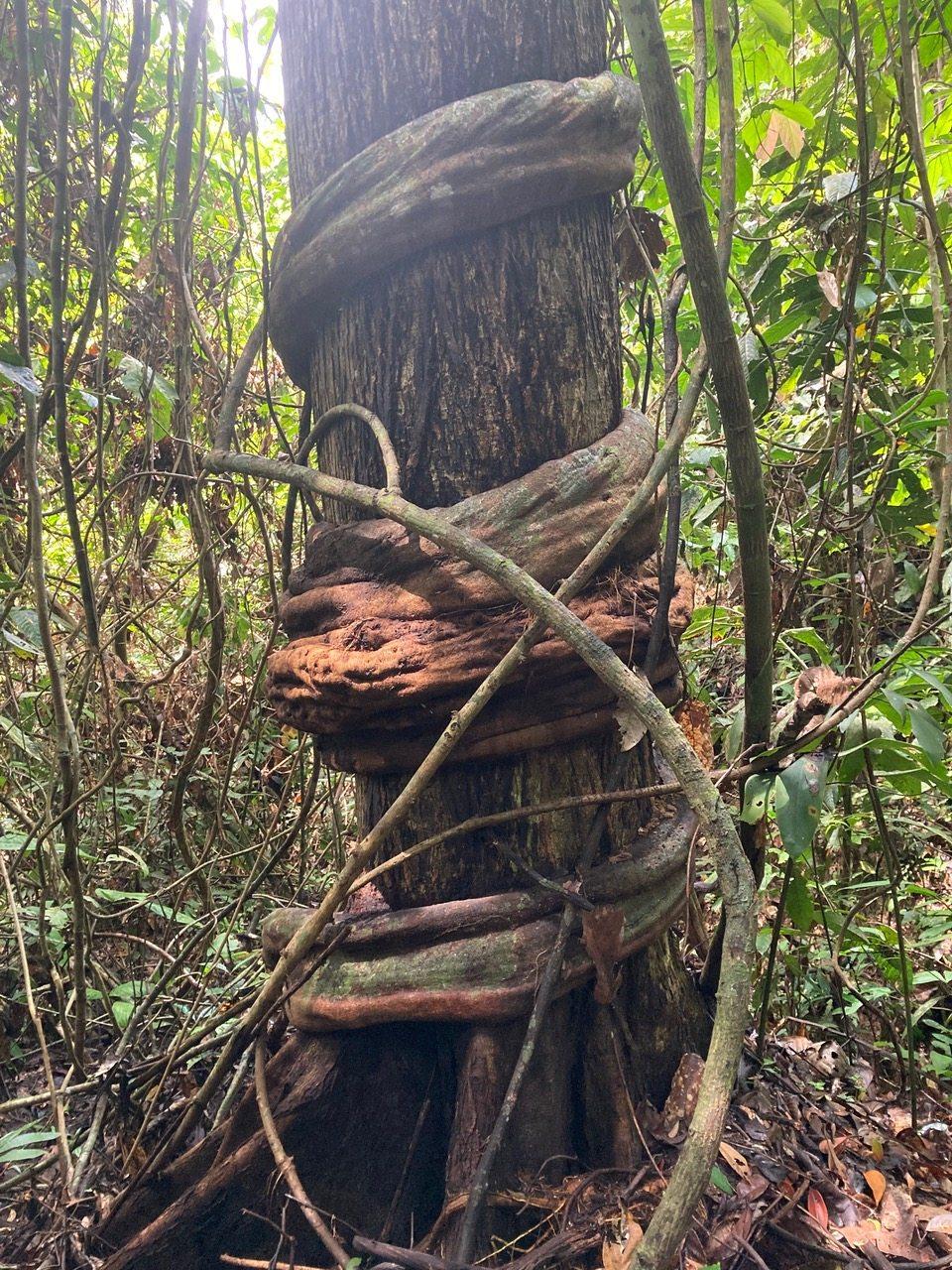
Liana cutting accelerates the recovery of logged tropical forest three times faster than tree planting, at one tenth of the cost. That is the headline of our new paper in Current Biology, out of the Sabah Biodiversity Experiment in Borneo. The result matters not only for what it shows but for the experiment behind it: the Sabah Biodiversity Experiment is one of the few places where forest restoration interventions have been tested against proper controls. A new Verra methodology, now in public comment, is being built on exactly this kind of evidence.
Original Paper
Liana cutting accelerates canopy recovery in logged tropical forest
Current Biology • 2026
Why designed experiments make forest carbon baselines more credible
Tropical forests are critical for biodiversity, the climate, and the communities that depend on them. In Sabah, a study with local communities found they rank clean water, clean air, and flood regulation among the most important ecosystem services logged forests provide. Protecting and restoring degraded forests matters, but we also need to know which interventions are most effective, and at what cost.
Our study of the INFAPRO project in Sabah showed that active restoration, planting dipterocarp seedlings and cutting climbing lianas, increased forest growth by around 50% across a large logged landscape. The treatments were applied together, so we could not separate the contribution of the seedlings from the contribution of the liana cutting. And one of those interventions is roughly ten times more expensive than the other.
To answer the question, you need a designed experiment.
What did the Sabah Biodiversity Experiment find about liana cutting?
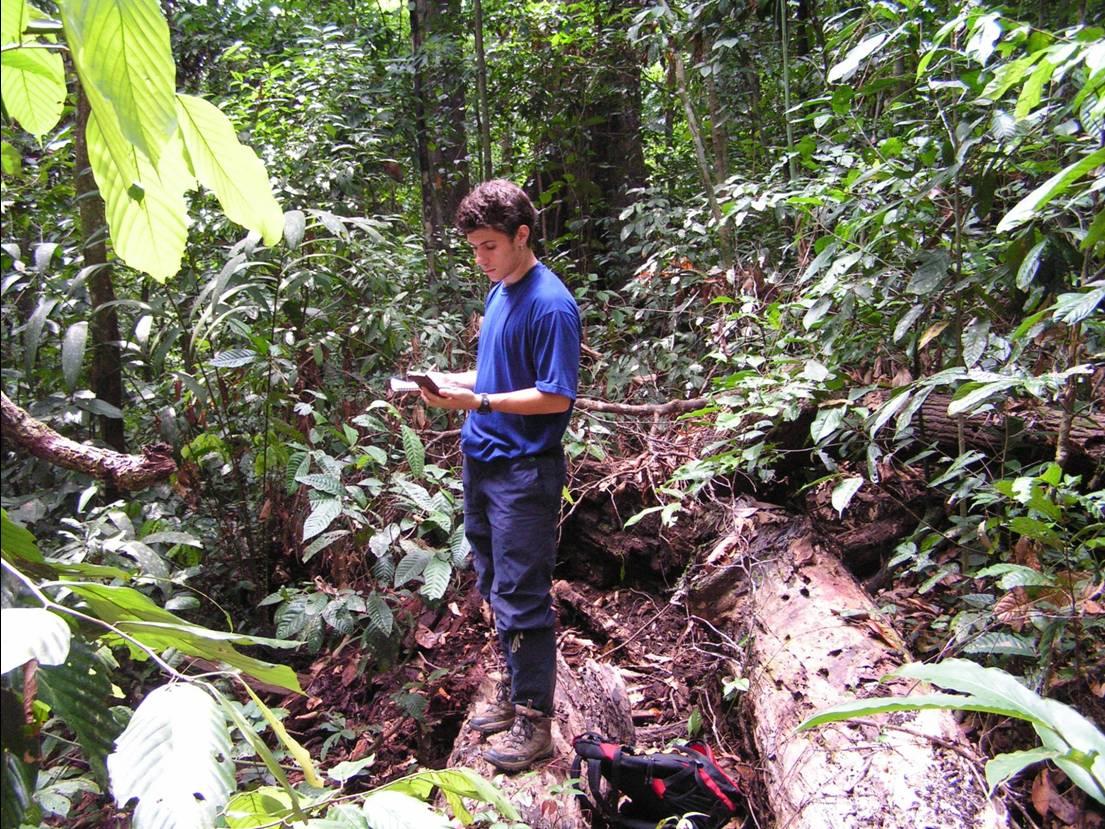
The Sabah Biodiversity Experiment (SBE) was set up to do exactly that. 500 hectares of once-logged dipterocarp forest, running since 2002, with the diversity of planted dipterocarp seedlings crossed against climber cutting and untreated controls. Our new paper in Current Biology used repeated airborne LiDAR collected in 2013 and 2020 to track canopy recovery across the SBE plots and a nearby primary forest reference. Logged forest in Sabah is also where the whole field team would crowd round whenever we found a belian tree, the Bornean ironwood we are named after.
Over 9 years, liana cutting added 3.7 m of canopy height. Enrichment planting added 1.6 m over 18 years. Liana cutting also reduced tree mortality by around 50%, or roughly 4.8 trees per hectare. Because it costs about ten times less to implement, the cost per tonne of CO₂ sequestered comes out at roughly US$2 for liana cutting versus US$58 for enrichment planting.
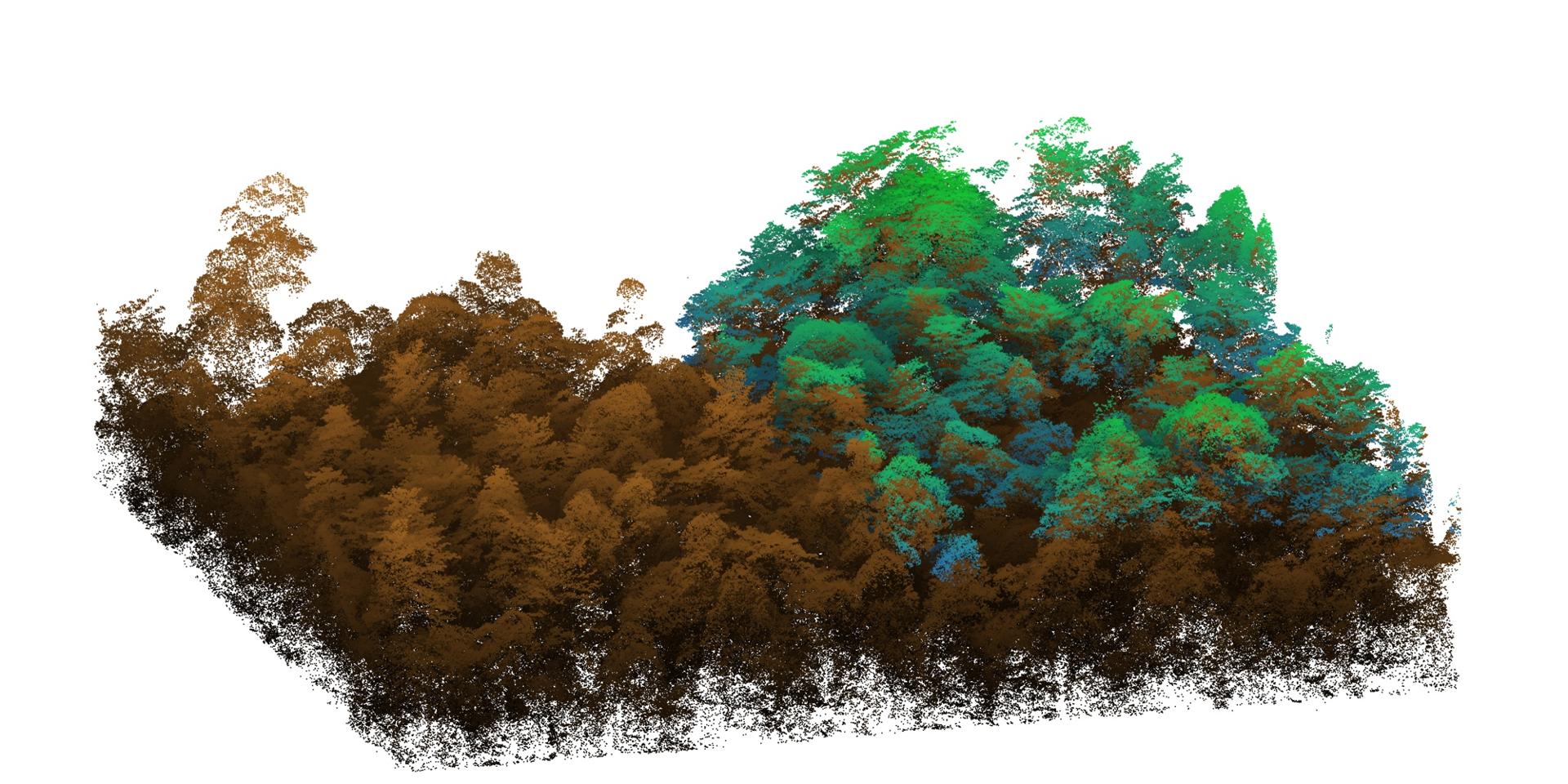
Roughly half the additional carbon came from faster canopy growth. The other half came from reduced tree mortality. That reduced mortality changes forest structure, leaving fewer gaps in the canopy. What that means longer term is not yet clear: increased competition could drive higher mortality later, and some of the early gains may be eroded. Drought may erode them further: earlier work at SBE found the benefit of liana cutting on seedlings was reduced during the 2015-2016 El Niño (O'Brien et al. 2019). Continued monitoring at SBE will tell us how this plays out.
What are the biodiversity trade-offs of liana cutting?
Carbon removal and storage is only one of the things a tropical forest does. Different tree species do not just grow at different rates, they support different ecosystem functions. If you optimise a restoration intervention for one function, carbon, you do not necessarily maximise other ecosystem services.
Liana cutting brings that trade-off into focus. Lianas are part of the forest ecosystem. They provide food and habitat for animals, canopy pathways for primates including orangutans, and contribute to plant species richness. Cutting them changes the canopy, and the early evidence is that birds are paying the price. A new study shows persistent declines in forest-dependent birds following active restoration of logged forest in Borneo. What is the cost of this decline?
That is why ongoing experiments around the SBE are testing partial liana cutting, removing 60-80% of stems rather than all of them, to see whether the structural recovery benefits can be retained without the same cost to biodiversity. Restoration interventions need to be judged against multiple outcomes at once. Cheaper, faster carbon recovery is a real result, but we also have a responsibility to manage forests for biodiversity.
What is Verra's new methodology for dynamic carbon baselines?
Most carbon methodology design is trying to close the same gap: when you have planted, or protected, a forest, you need a counterfactual baseline to tell you what would have happened without the intervention, so you can calculate the impact of the project. SBE built its controls in from the start, which nature finance projects do not usually get to do because they want to protect or restore as much area as they can. But controls can be built in from the beginning, and a new Verra methodology now in public comment, Enhanced Forest Sequestration with Dynamic Baselines Using Randomized Control Trials (draft ID M0274), is built around exactly that.
The methodology broadens Verra's Improved Forest Management portfolio to accommodate enhanced sequestration projects. Its named intervention types include "fungal inoculation at the time of planting, the removal of competing vegetation (e.g., woody vines), and mixed-species planting". In other words, mycorrhizal inoculation, liana cutting, and enrichment planting. The interventions tested at SBE are the methodology's named use cases.
The methodology uses internal control plots inside the project area, sense-checked against external reference areas in the surrounding landscape. It is effectively a designed experiment and a dynamic counterfactual baseline rolled into one.
The two approaches combine well. A designed experiment for the intervention, plus a counterfactual baseline from the surrounding landscape to validate the controls. Where you draw your external reference area from is decisive. That is what belian.earth's tools are built for, and it is the same question our biodiversity baselines work asks: what would have survived without the intervention?
Updated 17 September 2026.
Stay in the loop
Stay up to date with developments in independent reference area selection and carbon market baselining.
References
Policy context
The frameworks behind this piece, explained in plain English.
ICVCM
The ICVCM sets the global threshold standard for quality in the voluntary carbon market. Its Core Carbon Principles and CCP label determine which credits are credible, which methodologies are sound, and where the market needs to go further: REDD+, reforestation, permanence, leakage, and buffer pools.
Read morePolicyArticle 6
Article 6 is the international carbon market framework of the Paris Agreement, the mechanism that should, in theory, make forests financeable at scale. In practice, the rules governing removal activities have made this harder, not easier.
Read moreRelated posts
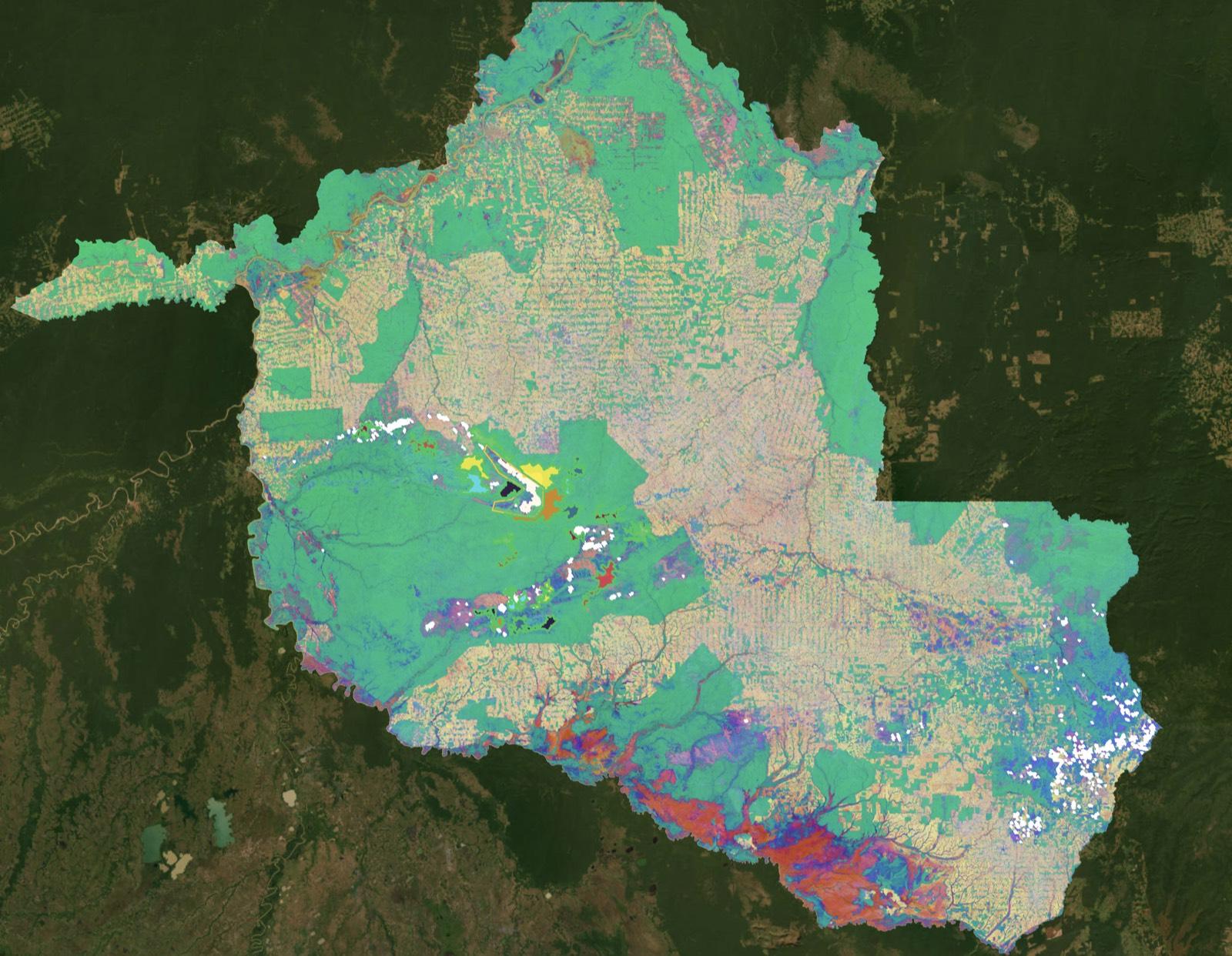
VM0047's brave call is your ARR project's defining moment
by belian.earth
VM0047 locks the developer's matched reference areas at validation and keeps them fixed for the full crediting period. That single choice defines your ARR project's baseline for decades.
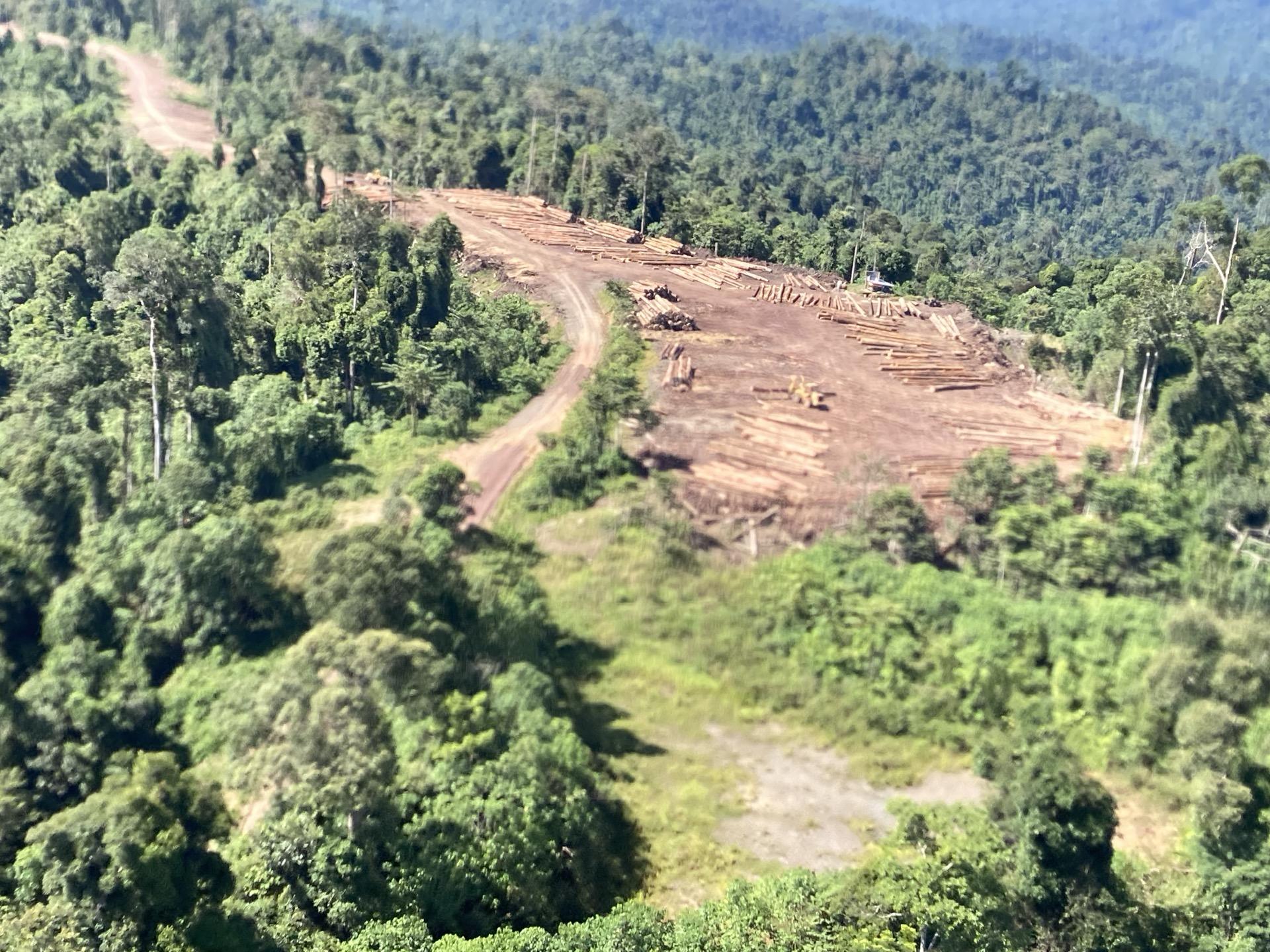
The carbon baseline problem nobody wants to talk about
by belian.earth
The carbon market has an integrity problem. But while the industry obsesses over which biomass map to trust, the real uncertainty is in the carbon baseline.

Why Forest Restoration Projects Need Robust Counterfactual Baselines
by Christopher D. Philipson
Every forest carbon project depends on a counterfactual baseline to demonstrate its impact. Whether avoiding deforestation or restoring degraded land, the underlying question is the same: what would have happened without the intervention?